Clear Warning Signs That a Tree Is No Longer Safe
A tree may need to come down right away if it is dead, badly leaning, splitting at the trunk, or dropping large branches. These are not small problems. They can lead to sudden failure, especially during wind or storms. If you see major cracks, root damage, or hollow areas, the tree may not be safe to leave standing. Acting fast can help prevent injury and property damage.
Common Symptoms of a Dangerous Tree
Some warning signs are easy to spot. Others take a closer look. Here are the most common red flags:
- The tree is leaning more than it used to
- Large dead branches are falling
- The trunk has deep cracks or splits
- Mushrooms are growing at the base
- The tree has no leaves during growing season
- Roots are lifting out of the ground
A healthy tree can lose small limbs now and then. But if you see big branches on the ground after calm weather, that is a sign of weakness. When a tree changes quickly, it often means the inside structure is failing.
Likely Causes of Sudden Tree Decline
Trees do not usually fail without a reason. Many urgent tree removal cases start with hidden problems.
Storm damage is a top cause. Heavy wind can twist the trunk or loosen roots. Lightning can split the tree from top to bottom. Even if the tree is still standing, the damage may be severe.
Disease and pests are also common causes. Insects can eat away at the wood from the inside. Fungal growth near the roots often means decay below ground. Over time, the tree becomes hollow and weak.
Construction around the yard can harm roots. Cutting or packing soil over roots limits water and air. Without strong roots, the tree cannot hold itself upright.
What to Check First
If you think a tree is unsafe, start with a simple ground check. Walk around the entire tree. Look at it from different angles.
- Stand back and check the lean. Compare it to other trees nearby.
- Look up into the canopy for dead or hanging limbs.
- Inspect the trunk for cracks, peeling bark, or hollow spots.
- Check the base for mushrooms or soft wood.
- Look at the soil for raised or broken roots.
If the tree is near your home, garage, driveway, or power lines, the risk is higher. Even a medium-sized tree can cause costly damage if it falls.
Safe Fixes Vs. Professional-Level Fixes
Some minor problems can be managed with pruning. Removing small dead branches can help improve safety. Light trimming can reduce weight in the canopy.
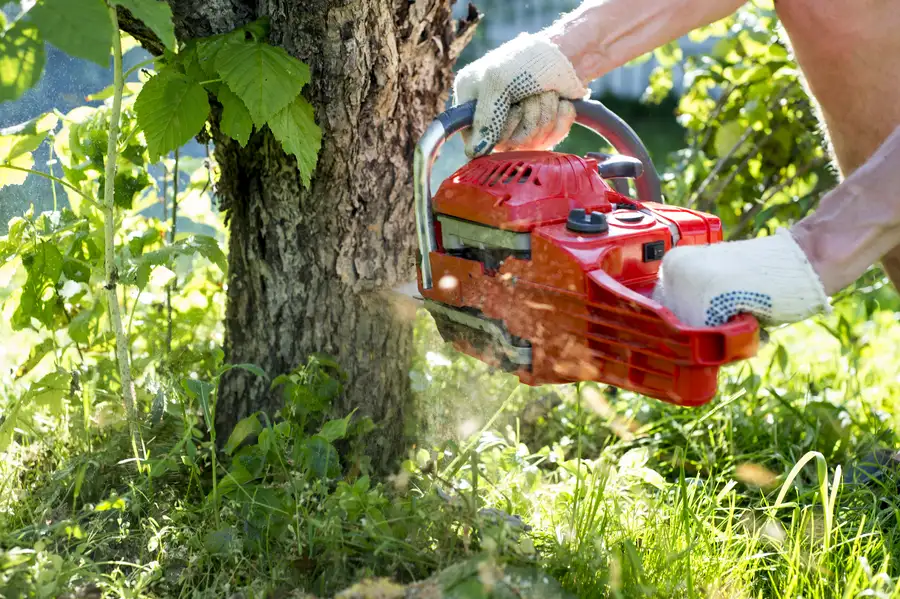
But major cracks, large split trunks, or severe lean are not DIY jobs. Trying to cut down a damaged tree without training can be dangerous. Chainsaws, falling limbs, and unstable trunks create real hazards.
Emergency tree removal is often the safest option when:
- The tree is clearly dead
- It has lost more than half its canopy
- The trunk is split deeply
- Roots are lifting on one side
- It threatens structures or walkways
In these cases, calling a trained crew for tree removal can prevent injury. Professionals have the right tools and safety gear to handle unstable trees.
Prevention Tips for the Future
While some trees must be removed right away, regular care can prevent many problems.
Schedule routine inspections, especially after storms. Prune weak branches before they grow too large. Water during dry spells, but do not overwater. Avoid piling soil or mulch against the trunk.
If you plan yard work or construction, protect the root zone. Keep heavy equipment away from the base of the tree. Healthy roots mean a stronger tree.
Sometimes removal is part of long-term landscape safety. A risky tree today can become a severe hazard tomorrow. Acting early often saves money and stress.
Get Expert Help Before Damage Happens
If you notice any of these warning signs in Roseville, CA, do not wait for the next storm to test the tree’s strength. At Betzy Tree Care Inc., we handle tree removal safely and carefully, especially when a tree poses an immediate risk to your home or family. Call us at (916) 313-0314 and we will inspect the situation and explain the next steps so you can protect your property with confidence.